OOTD or GTFO: How Getting Dressed Became the Most Stressful Part of Being a Teenager
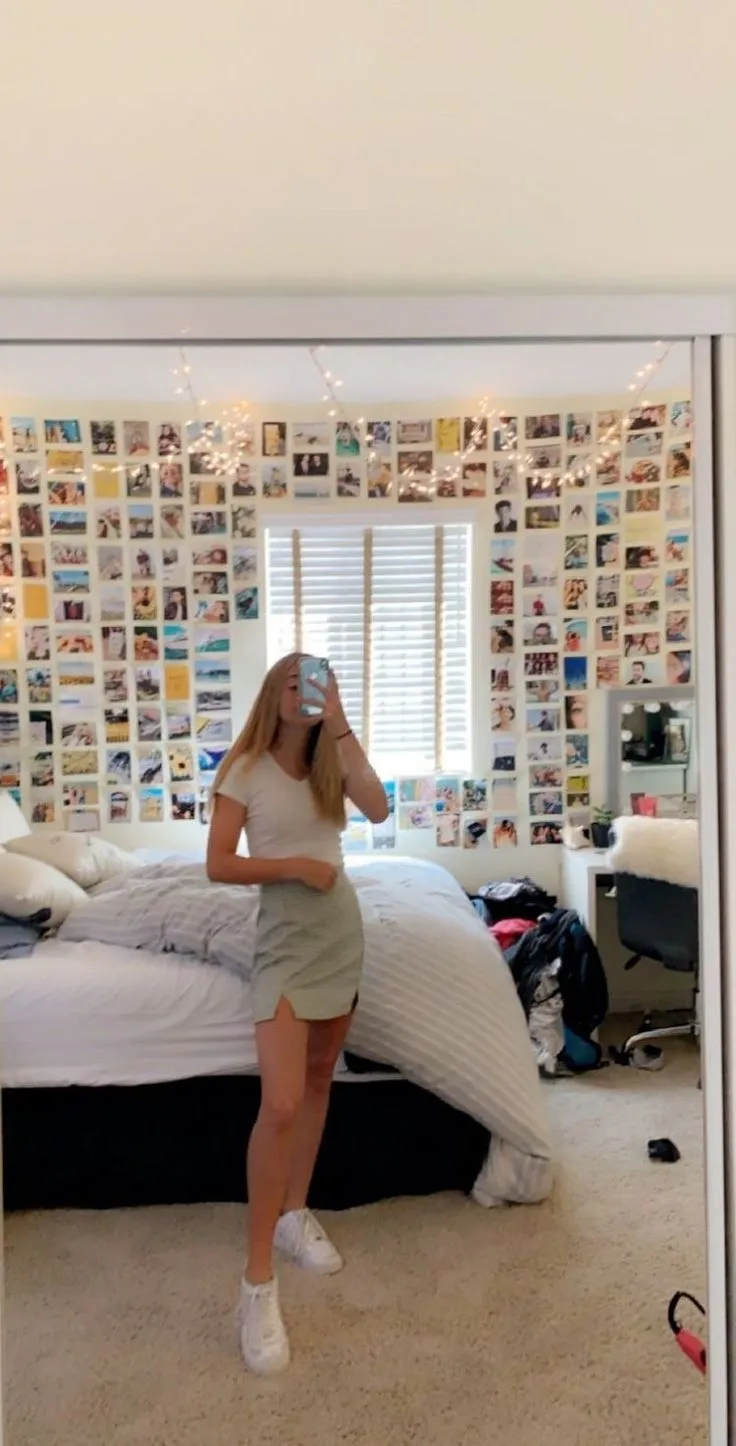
Photo: teenage girl choosing outfit in colorful bedroom mirror selfie fashion, via i.pinimg.com
Let's be real for a second. You've probably spent more time agonizing over what to wear on the first day of school than you have studying for any AP exam in your entire academic career. Don't lie. We've all stood in front of a closet at 6:47 AM, surrounded by clothes we supposedly love, feeling like we own absolutely nothing. And somehow, that experience hits different when you know that whatever you throw on is going to be quietly evaluated, catalogued, and filed away in the social database of everyone who sees you.
Welcome to 2024, where your fit is your first impression, your personal brand, and your unspoken résumé — all before first period.
The Silent Scorecard Nobody Admits Exists
Here's the thing nobody says out loud at orientation: there is absolutely an unspoken dress code operating in every single American high school, and it has nothing to do with the actual dress code in the student handbook. You know the one. The invisible rulebook that somehow everyone seems to have memorized except you on the days that matter most.
Social psychologists have a term for this — they call it "social signaling," which is the fancy academic way of saying humans have always used appearance to communicate group membership, status, and identity. But Gen Z didn't just inherit this tendency. We turbocharged it with social media, gave it a ring light, and posted it with a trending audio track.
The rise of fit-check culture on TikTok and Instagram has essentially gamified getting dressed. When you can post a mirror selfie and get real-time feedback from hundreds of people, your outfit stops being a personal choice and starts feeling like a public referendum. That's not drama — that's just the ecosystem we grew up in. And it has some genuinely wild psychological consequences.
Outfit Anxiety Is a Real Thing (And It's Not Just Vanity)
Before anyone rolls their eyes and says "it's just clothes," let's pump the brakes. Research in adolescent psychology consistently shows that appearance-related anxiety peaks during the teenage years because identity formation is literally happening in real time. Your brain is actively trying to figure out who you are, and for better or worse, clothing is one of the most immediate tools teenagers have to experiment with that identity.
So when you spiral at 11 PM trying to plan tomorrow's outfit, you're not being superficial. You're doing the deeply human work of figuring out how you want to show up in the world. The problem is that social media has compressed that already-stressful process into a competitive sport with a live audience.
The comparison trap is brutal. You see someone at school wearing a pair of New Balances you've been eyeing, styled in a way that looks effortless, and suddenly your entire closet feels like a crime scene. That's not jealousy — that's the completely predictable result of being a social creature in an environment that constantly broadcasts what everyone else is wearing.
Fast Fashion, Slow Savings, and the Trend Cycle That Never Sleeps
And then there's the money part. Because of course there's a money part.
The trend cycle used to move in seasons. Now it moves in weeks. Something blows up on TikTok on a Tuesday, and by Thursday it's already been declared mid by the same people who started it. This creates a genuinely impossible situation for teenagers who are either working minimum wage jobs, surviving on an allowance, or both — trying to keep up with a trend cycle designed to sell product, not to actually help you find your style.
Fast fashion brands have absolutely capitalized on Gen Z's outfit anxiety. Sites like Shein and Temu built entire empires on the promise of trend-relevant clothes at prices that feel accessible, while burying the environmental and ethical costs in fine print most teens don't have time to read. It's a trap, and it's specifically designed around the psychological pressure we've already talked about.
The good news? Thrift culture has become a genuine counter-movement, and it's one of the most authentically Gen Z things to happen to fashion in years. Hitting Goodwill, browsing Depop, or trading clothes with friends isn't just budget-friendly — it's become its own aesthetic, its own form of social signaling that says I'm creative enough to find fire without paying retail prices. That's not nothing.
The Difference Between Style and Performance
Here's the question worth sitting with: are you dressing for yourself, or are you dressing for the version of yourself you think other people want to see?
There's no shame in either answer, by the way. Fashion has always been partly performative — that's part of its joy. But there's a meaningful difference between wearing something because it makes you feel like the main character versus wearing something because you're terrified of being judged for wearing the wrong thing. One of those feels like creative freedom. The other feels like a hostage situation with a full-length mirror.
The teenagers who seem to have the most fun with fashion — and we're talking genuinely fun, not curated-for-content fun — are usually the ones who've found some version of style that's actually rooted in what they like rather than what's algorithmically approved. It doesn't have to be high fashion or thrifted vintage or any particular aesthetic. It just has to feel like you on a good day.
How to Opt Out of the Anxiety Without Opting Out of Style
Okay, practical talk time, because this isn't just a vibe essay.
First: audit your feed. If the accounts you follow consistently make you feel bad about your closet, your body, or your budget, that's useful information. Unfollow without guilt. The algorithm will survive.
Second: build a small base of things you actually love wearing and stop chasing every micro-trend. Capsule wardrobes aren't just for minimalist adults with Pinterest boards — having a handful of pieces that reliably make you feel good is genuinely life-changing when you're running late on a Tuesday morning.
Third: let other people's fits be inspiring instead of threatening. Someone wearing something amazing isn't a verdict on your wardrobe. It's just a person wearing something amazing. The two things can coexist.
And finally — maybe the most important one — remember that the people who are most memorable at school are almost never the ones wearing the most expensive or trend-accurate clothes. They're the ones who wear things with conviction. Confidence is the one accessory that never goes out of style, even when everything else does.
Your fit matters. But it matters because it's a form of self-expression, not because it's a test you can fail. Get dressed like you mean it — and then go live your actual life.