Caught in 4K Being Yourself: The Exhausting Performance of Looking Effortless Online
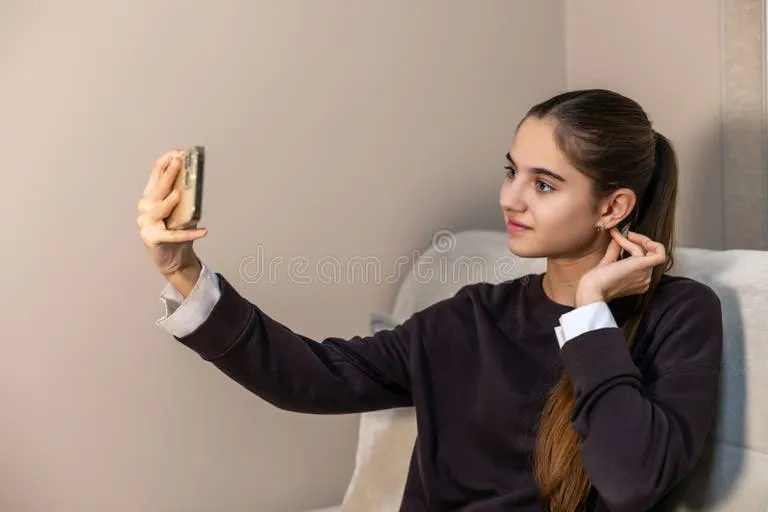
Photo: teenager taking selfie looking unimpressed candid phone mirror, via thumbs.dreamstime.com
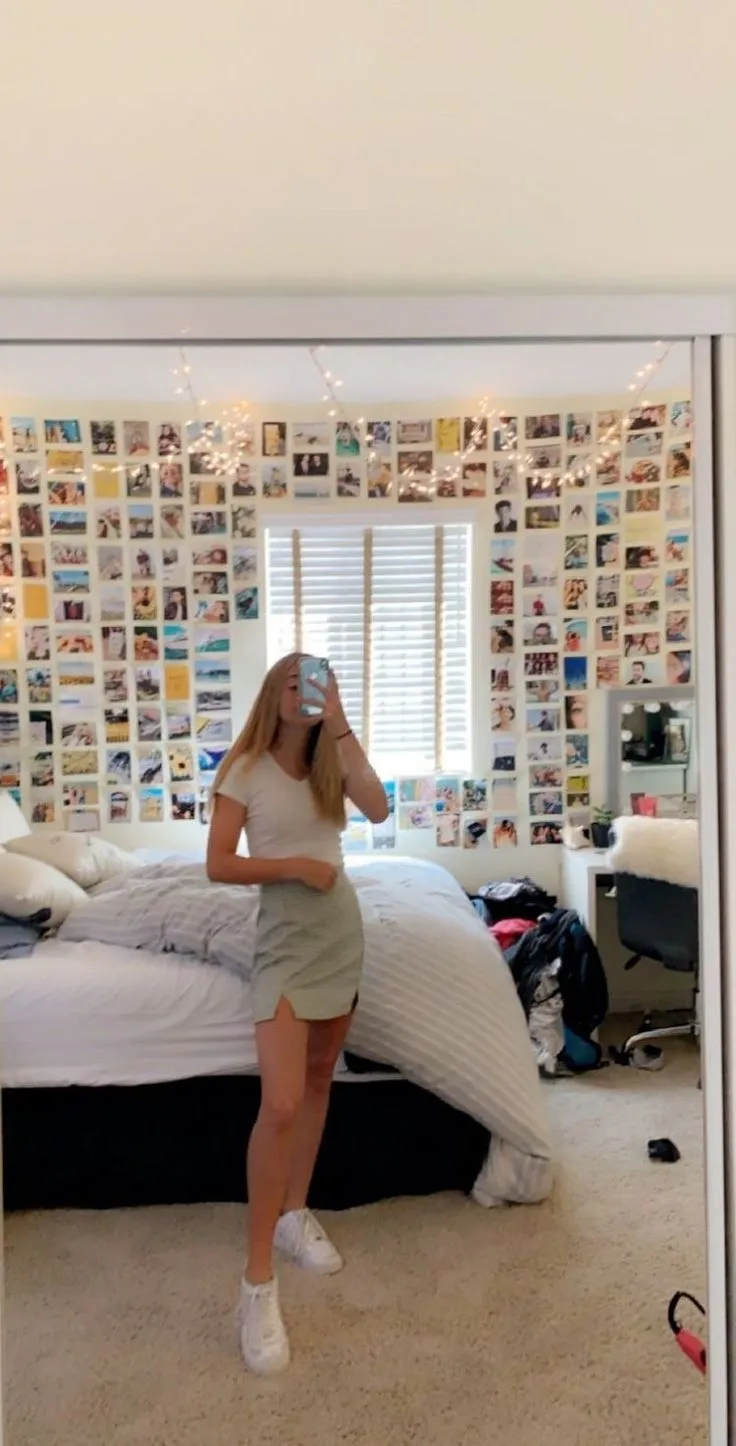
Somewhere between the death of the perfectly lit flat lay and the rise of the 'messy bun, don't care' TikTok, we collectively decided that authenticity was the new clout. Out with the contour, in with the crying selfie. Out with the curated grid, in with the 'I literally just woke up' photo dump. The only problem? Someone still had to take thirty-seven shots of that 'just woke up' moment before the lighting looked right.
Welcome to the authenticity paradox — where being real has become the most high-effort performance on the internet.
The 'No Filter' Filter
Let's be honest about something. When someone posts a photo captioned 'no makeup, no filter, just me,' there is an extremely high chance that: (a) the lighting was scouted like a film set, (b) at least one retake happened because the first one 'looked too posed,' and (c) the caption itself was rewritten four times to sound casual enough.
None of this makes anyone a bad person. But it does reveal something kind of wild about how we've evolved our relationship with social media. We got so exhausted by the pressure to look perfect that we created a whole new pressure — the pressure to look perfectly imperfect. The bar didn't lower. It just moved.
This isn't a callout. It's a cultural autopsy. Gen Z grew up watching millennials get roasted for staging 'candid' brunches and doing the sorority squat at every event. So we overcorrected. Hard. The new aesthetic became raw, unpolished, a little chaotic — and the internet rewarded it with engagement. Which meant people started optimizing for it. Which meant it stopped being raw. Which meant we needed something even rawer. You see where this is going.
When the Struggle Becomes the Content
Here's where it gets genuinely interesting. There's a whole genre of content now that's built entirely around performing vulnerability — the 'I'm not okay and here's a 60-second breakdown about it' format that lives somewhere between therapy and entertainment. And look, mental health visibility is genuinely important. Normalizing the conversation matters. But there's a specific version of this that's worth examining: the one where the emotional spiral gets filmed, edited with a trending sound, and posted during peak engagement hours.
The struggle becomes the brand. The bad day becomes the content calendar. And suddenly your most private moments are also your most strategic ones.
This doesn't mean the emotions aren't real — they absolutely can be. But the act of posting them transforms them into something else. You're not just feeling things anymore. You're curating which feelings are shareable, which angles of your pain are relatable enough to land, and whether your breakdown has a satisfying enough arc for the algorithm. That's not healing out loud. That's producing a show about healing out loud.
Relatable, But Make It Aspirational
There's also the very specific art form of being relatable in exactly the right way. Not too relatable — nobody's posting their truly embarrassing moments, the ones that don't have a redemption arc or a funny punchline. The relatable content that performs well is the kind that makes people feel seen without making the poster look bad. It's the 'lol I'm a mess' post from someone who is clearly not that much of a mess. It's the 'I literally can't function today' caption on a photo where the person looks incredible.
True chaos isn't aesthetic. True vulnerability isn't watchable. So we sand the edges off our realness until it's palatable, shareable, and still somehow on-brand.
So Is Actual Authenticity Even Possible?
This is the part where a lesser article would say 'just log off!' and call it a day. But that's not really the question, is it?
The more interesting question is whether authenticity was ever a fixed thing — even offline. Humans have always performed versions of themselves depending on who's watching. You act different at a family dinner than you do at a house party. You have a 'work voice' and a 'best friend voice.' The self has always been contextual.
What social media did wasn't create performance. It just gave performance a permanent audience and a metrics system. Now you can literally see how many people liked the version of you that you put out today. That feedback loop is new, and it changes things.
Maybe the goal isn't to achieve some pure, unmediated, totally unfiltered version of yourself online — because that person doesn't exist anywhere, not just on Instagram. Maybe the more realistic goal is to notice when you're performing for your own peace of mind versus when you're performing for approval. To catch yourself asking 'is this true to me?' versus 'will this do numbers?'
Those questions won't stop you from posting. But they might change why you do it.
The Takeaway (That Isn't a Toxic Positivity Poster)
You can be genuine and still be online. You can share real parts of yourself and still think about how you frame them. The issue isn't that you're posting — it's when the posting starts shaping the living, when you start having experiences specifically so you can document them, when you feel more real on the feed than off it.
Authenticity isn't a content style. It's not a filter you can turn on. It's not a caption length or a photo grain or a willingness to post your under-eye circles. It's the quieter, less Instagrammable question of whether what you're putting out there actually reflects something you believe, feel, or care about — or whether you're just running the algorithm's playbook in a more self-aware costume.
And if you're doing the latter? Honestly, same. We all are a little. At least now we can admit it.