Friend Group Auditions: Are You Networking Your Way to Loneliness?

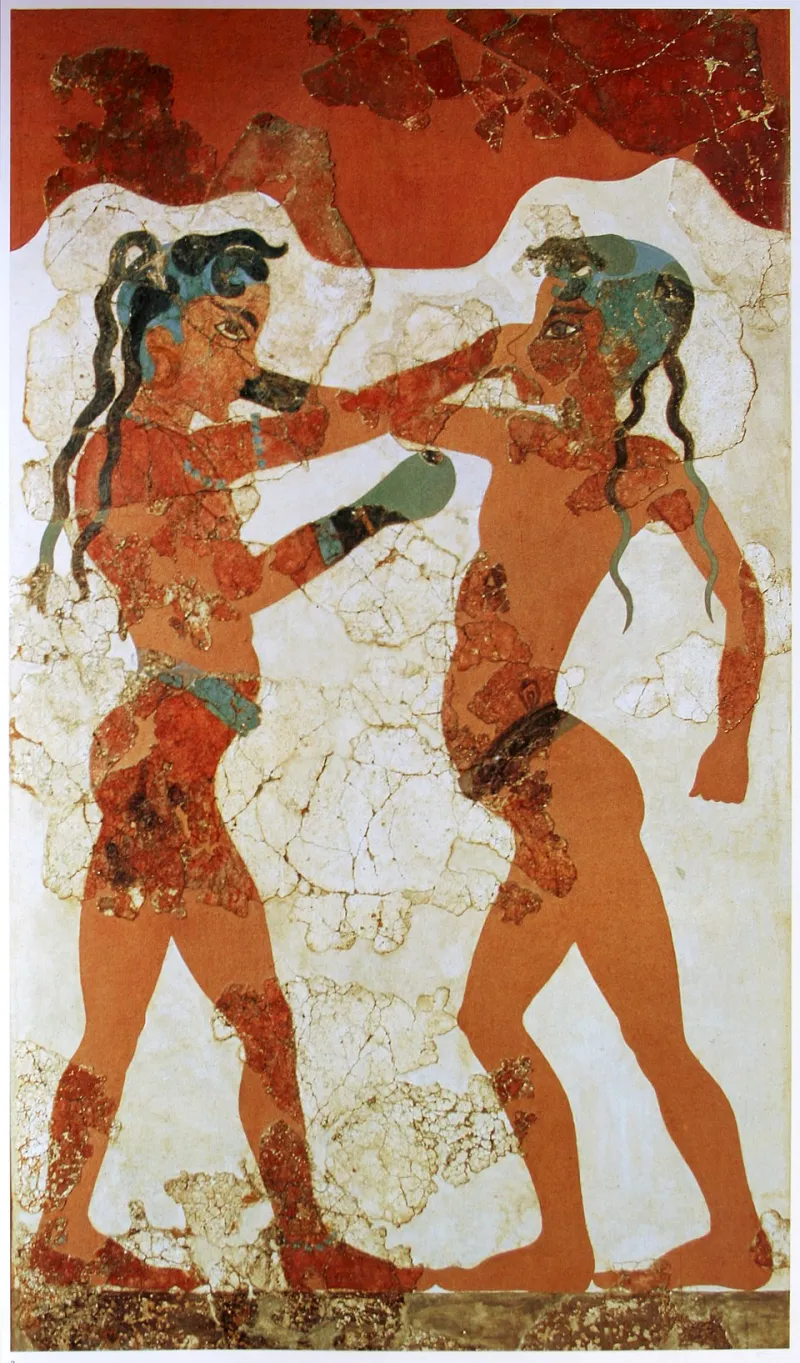
Photo: Evgeny2665, CC0, via Wikimedia Commons
Picture this: you're at a party, you meet someone new, and within about seven minutes you've already run a quiet mental background check. Do they share your values? Are they the kind of person who would embarrass you in public? Do they have good social media? Do they bring something interesting to the table, or are they just… there? Do they have the right vibes, the right opinions, the right references?
If they pass the vibe check — congratulations, they might make it to the second round of the friendship audition process. If not, you'll smile, exchange Instagrams you'll never actually look at, and move on.
Welcome to Gen Z's accidental HR era, where making friends has started to feel less like a natural human thing and more like a very casual job interview that nobody explicitly agreed to.
How Did We Get Here
This isn't entirely our fault, for what it's worth. The culture that shaped Gen Z has been obsessed with intentionality. "Protect your energy." "Curate your circle." "You are the average of the five people you spend the most time with." Every wellness influencer, every motivational TikTok, every self-help thread on Reddit has been hammering the same message: be deliberate about who you let in.
And look, that advice came from somewhere real. Setting boundaries matters. Not letting toxic people drain you matters. Recognizing when a friendship is genuinely one-sided matters.
But somewhere between "don't let people walk all over you" and "evaluate everyone in your life like a venture capital investment," something got lost. Specifically: the ability to just like someone without needing them to justify their presence in your life with a list of compatible personality traits and mutually beneficial social opportunities.
The metrics crept in slowly. Now they're everywhere.
The Friendship Resume Is Real (And Deeply Weird)
Here's what the metrics-driven friendship model actually looks like in practice, because it's worth naming it plainly so we can all wince together.
You meet someone and you immediately, subconsciously (or sometimes very consciously) start assessing. Do they have good taste? Do they share your politics? Are they funny in the right way? Do they have their life somewhat together, or are they the kind of chaotic that's fun for a month and then exhausting? Are they going places? Are they connected to people you want to know? Will being their friend make your social world bigger or smaller?
It's a resume review. Except the candidate doesn't know they're being evaluated, and neither do you, really, because it happens so fast and so automatically that it barely feels like a choice.
And the truly cursed part? You're doing the same evaluation on yourself. Am I interesting enough for this person? Do I bring enough to the table? What's my value-add here? Why would someone like them want to be friends with someone like me?
Corporate logic has fully colonized the most human thing there is, and we're all just sitting here wondering why making friends feels so hard.
The FOMO of the Wrong Friend Group
Here's a very specific Gen Z anxiety that doesn't get talked about enough: the nagging suspicion that you picked the wrong friend group.
You look at other people's squads — on Instagram, on TikTok, in the hallway at school — and they seem so cohesive. So perfectly matched. So clearly having more fun, more depth, more meaning in their friendships than you are in yours. Their group chats are probably popping. Their hangouts look effortless. They get each other on some fundamental level that your current friends and you have never quite managed.
This is the friendship version of FOMO, and it's arguably more corrosive than regular FOMO because it doesn't just make you feel like you're missing out on an event. It makes you feel like you're missing out on your own social life. Like you made a strategic error somewhere back in ninth grade and now you're locked into the B-tier friend group while your hypothetical perfect squad is out there, waiting, wondering where you are.
The obvious problem with this line of thinking is that it treats friendship like a market you can optimize your way through, and real human connection has never once operated that way. But try telling your brain that at 1 a.m. when you're scrolling through someone else's beach photos.
The Paradox: More Options, More Alone
Here's the genuinely wild thing about all of this. Gen Z has more tools for finding compatible people than any generation in human history. There are apps for finding friends (Bumble BFF, anyone?), Discord servers organized around every conceivable interest, TikTok comment sections that function as low-key social matchmaking services. The infrastructure for connection is absolutely everywhere.
And yet, study after study keeps confirming what a lot of us feel but don't want to admit: young people are lonelier than ever. Lonelier than Gen X. Lonelier than Boomers were at the same age. Lonelier in ways that are starting to have measurable effects on mental and physical health.
The abundance of options might actually be part of the problem. When you can theoretically find the perfect friend — someone with exactly matching interests, values, humor, and life stage — you become less tolerant of the perfectly good friends who are just slightly mismatched with you in some way. The optimization mindset makes ordinary, slightly imperfect human connection feel like settling.
And so you keep auditing, keep evaluating, keep waiting for the friend group that fully gets you, and in the meantime you're kind of just… alone with your standards.
What Happens When You Just Let People Be Weird
Some of the best friendships in human history have been deeply illogical by compatibility metrics. People who have nothing in common on paper except that they happened to be in the same place at the same time and one of them said something weird and the other one laughed.
There's a version of friendship that doesn't require an intake interview. That's built on proximity and shared time and the gradual accumulation of inside jokes and the comfort of someone who has seen you be kind of embarrassing and stuck around anyway. That kind of friendship is less about finding your perfect match and more about showing up consistently for someone imperfect.
It's slower. It's less Instagram-ready. It doesn't come with the rush of meeting someone who immediately gets you on every level. But it tends to last longer and feel more real than the carefully curated connections that look great from the outside.
Maybe the move is to loosen the criteria a little. Let someone be a little different from you. Let a friendship be a little uneven or weird or slow to develop. Stop asking what someone adds to your life before you've even learned their last name.
Stop running the auditions. Some of the best people don't interview well.
And honestly? Neither do you.